New York’s tax on NYC cash home purchases is close to collapse
May 21, 2026 - 20:13
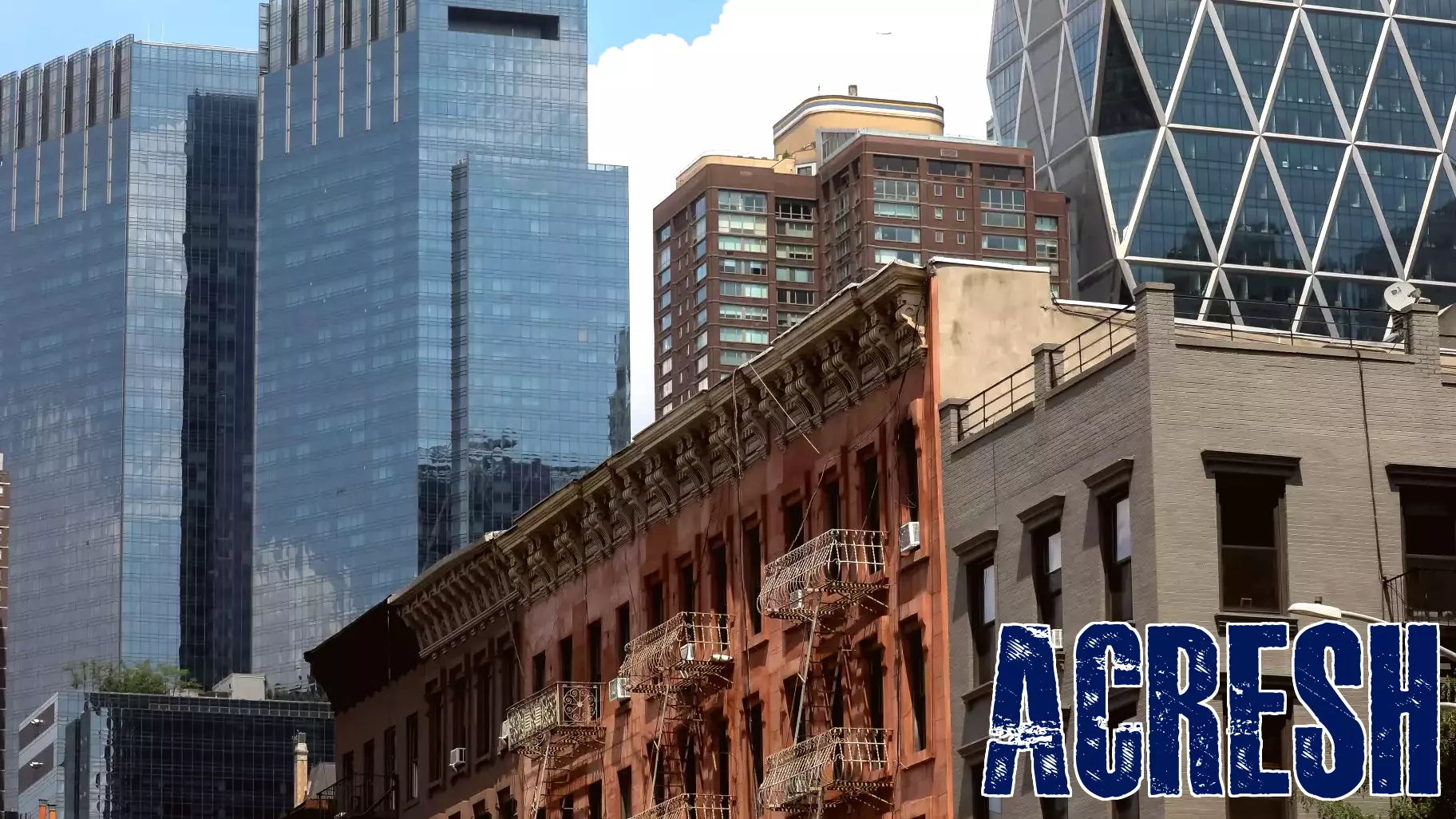
A controversial tax targeting all-cash home purchases in New York City is on the verge of falling apart, as a surge in cash transactions has failed to generate the expected revenue. The tax, which was designed to curb speculative buying and raise funds for affordable housing, is now facing criticism from both real estate professionals and policy analysts.
All-cash deals have skyrocketed across the five boroughs, driven by persistently high mortgage rates that have pushed many buyers to bypass traditional financing. According to recent market data, cash purchases now account for nearly half of all home sales in the city, a sharp increase from just a few years ago. However, the tax, which applies a surcharge to these transactions, has not produced the windfall that lawmakers anticipated. Instead, sellers and buyers have found ways to structure deals that minimize the tax burden, often by lowering the recorded sale price or using legal loopholes.
The tax's collapse is being blamed on a combination of market dynamics and flawed policy design. High interest rates have made mortgages unaffordable for many, forcing buyers to rely on cash reserves, but the tax was meant to discourage exactly this type of buying. Critics argue that the measure was poorly timed, as it was enacted just as borrowing costs began to climb. Real estate agents report that many cash buyers are now simply walking away from deals or negotiating lower prices to offset the surcharge, which has further depressed property values in some neighborhoods.
City officials are now under pressure to either revise the tax or scrap it entirely. Proponents of the tax say it was never intended to be a major revenue source, but rather a tool to cool down an overheated market. With cash sales continuing to rise, the policy has clearly failed to achieve its primary goal. Meanwhile, affordable housing advocates worry that without the tax, the city will lose a critical funding stream for new development projects. The future of the tax remains uncertain, but one thing is clear: the current approach is not working.
MORE NEWS

October 6, 2026 - 03:02
Real Estate Program Welcomes First Professor of PracticeMark Apker has joined the college as its first Professor of Practice in real estate. He brings a rare combination of industry leadership, legal expertise, and academic experience to the...

October 5, 2026 - 03:00
VICI Properties (VICI) Could Be 46% Undervalued As Its Alberta Rent Stream Holds FlatVICI Properties has restructured its Canadian holdings, signing a new triple net lease with Highfield Investment Group for two racetrack properties in Alberta. The deal keeps the company`s total...

October 4, 2026 - 21:33
Egypt Moves to Tighten Real Estate Rules with New Developer LawEgypt is preparing to overhaul the regulation of its real estate development market through a draft law establishing the Egyptian Federation of Real Estate Developers and introducing new rules for...
October 4, 2026 - 03:50
XLRE vs. RWO: Which Real Estate ETF Offers Better ValueInvestors looking at real estate exposure have two very different options in XLRE and RWO. One fund keeps its focus on U.S. large-cap properties and charges a 0.08% expense ratio. The other spreads...